What is a weed?
In my California life, “weed” has a very different connotation than in my Wisconsin world. Here, saying “weed” will most likely bring up the image of marijuana, and all the many ways that that medicine might be administered.
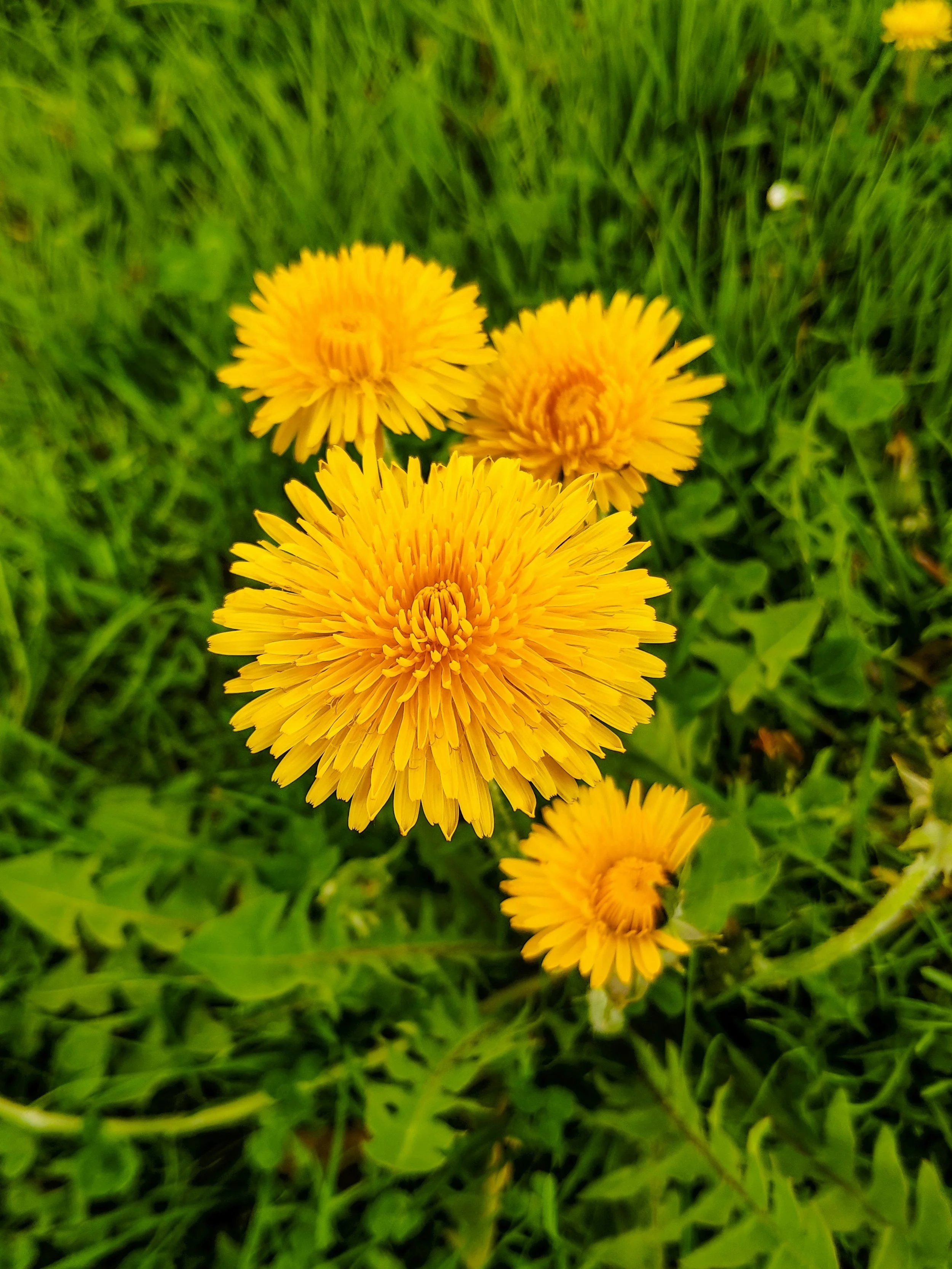
In Wisconsin, it might bring up the image of the dandelion–a vibrant yellow pop in a lush, green lawn. Many homeowners in that green-grass part of the world feel called to hire lawn-care services to spray herbicides (oh, that hurts) and rid their yard of the white clovers, purple thistles, and yellow dandelions that we herbalists consider medicine.
I get it, we like neat and tidy, or perhaps there is pressure from the neighbors to tend the lawns so the rolling green carpet is undisturbed. It is my New Year's wish, though, that the common weeds that offer themselves so easily would find their heralded place as simple ways to tend to one’s wellness throughout the seasons.
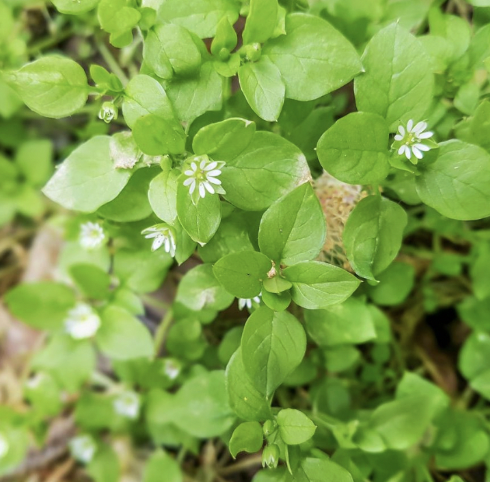
“Whatever grows right outside your door offers the medicine you need.” A friend said that to me years and years ago as she stopped by to visit during a time when I was having a health challenge. What she pointed out to me, sprawling prolifically on each side of the path to my cabin, was Stellaria media, or chickweed.
Chickweed offers cooling, demulcent, and emollient properties, and can be consumed fresh or dried, and used topically. When my friend introduced it to me, did I need the blood-cleansing, liver and kidney restorative medicine it offers? Yes, I did! Was I weary and in need of restored strength? You bet! Did I eat chickweed in my salads and pestos, and drink it as tea every day? I’m sorry to say, I did not. But I was very glad to meet that green friend, and ever since then, 25 years later, I greet it with appreciation, occasionally adding it to dishes when it pops up in my backyard.
But back to dandelions! I’m searching for some this season. Let me know if you live on a property where dandelions show up. I just read all about them in Wild Remedies by Rosalee de la Forêt and Emily Han, and I learned something new: dandelion flowers have anodynic, or pain relieving, properties. Amazing! I can’t wait to massage my clients with dandelion flower infused oil.
Also, I’ve never made dandelion wine, and that sounds intriguing. Pamela Jones says in her book, Just Weeds, “If you have never tasted dandelion herbal wine, it is one of the most elusive, delicately fragrant flavors imaginable, the color pure liquid gold. My sister used never to let a spring go by without making at least one gallon of this intoxicating, healthy tipple for holiday and other family gatherings.” Anyone want to join me in that effort?
Dive in here for a full look at this marvelous plant.
Highlights of Taraxacum officinale:
Dandelions are
bitter in taste, which stimulates digestive secretions and supports liver health
high in micro- and phytonutrients
a good source of inulin, a prebiotic, creating a healthy microbiome for the intestines
diuretic, offering aid to issues such as edema and symptoms of high blood pressure
flowers are high in lutein and betacarotene, supporting eye health
flowers are also high in flavonoids, which helps with oxidative stress
as mentioned, in oil, the flowers provide pain-relieving properties
flowers also offer lymphatic tissue support and protect against UVB damage
I can’t help but think of the question we’d ask as kids, sitting on our lawns, “Do you like butter?” And the answer would come with a quick swipe of the dandelion flower under the chin. If the chin turned yellow, you liked butter! Who doesn’t?
And don’t forget: when the flower goes to seed, it gives away wishes for free!
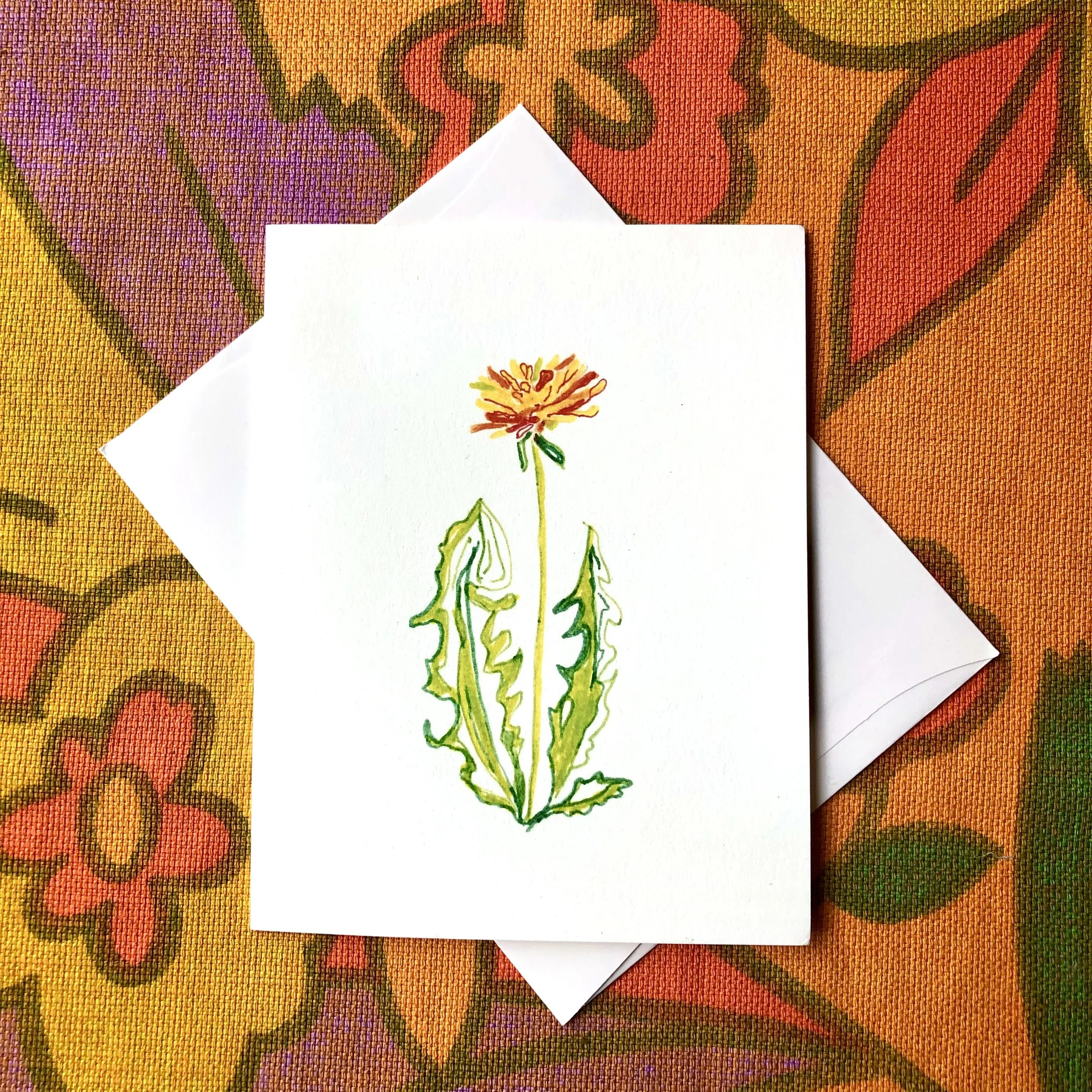
Clearly, I adore dandelions. This was the first card in our series. The original was a Mother’s Day gift from Zu, which then became our first logo in 2020. Thank you, Sarah!
One of my goals this year is to try my hand at embroidering this drawing. Hold me accountable! Or better yet, come stitch with me.
While this sunshine has felt glorious, especially as the Midwest is still in the frigid deep of winter, I am glad to see that the rain may be coming back. I’m just not ready for full-on blue skies until our next rainy season. But these days, we feel the promise of spring. February 1st is Imbolc, the mid-point between winter solstice and spring equinox, which are the high points of their seasons. So, spring really is right around the corner! No matter what that groundhog says.
I love early spring. The enlivened energy waking us up from our slumber. The beautiful sunrises and sunsets, their pink light bookending each day. On our walk last night, we gathered fennel, plantain, and a couple leaves of mugwort, making a delicious tea from these weeds.
Merriam-Webster Dictionary defines weed as “a plant that is not valued where it is growing and is usually of vigorous growth.” I am pretty good with my house plants, but our situation here on Fitch Mountain makes outdoor gardening tough. I appreciate anything that will grow and thrive on its own. To walk down to Camp Rose and find the makings for a fresh-leaf tea? Magical!
So it is with dirty hands from scrubbing through the sandy soil along the Russian River, that I invite you to change the image in your mind when you hear “weed.” Instead of something that needs to be disappeared, what if we simply called it a wild plant or an herb instead, and learned all the ways it’s willing to help us?

Enjoy your walks. Meet all the little friends that grow right alongside the trails and pathways. Soon we’ll be back at the milky oats time of year. Talk about a plant that offers beautiful medicine without requiring tending from any green thumbs at all! Weeds, wild plants, herbs: whatever you call ‘em, they are some of the most generous forms of sustenance and remedies in nature’s medicine cabinet.